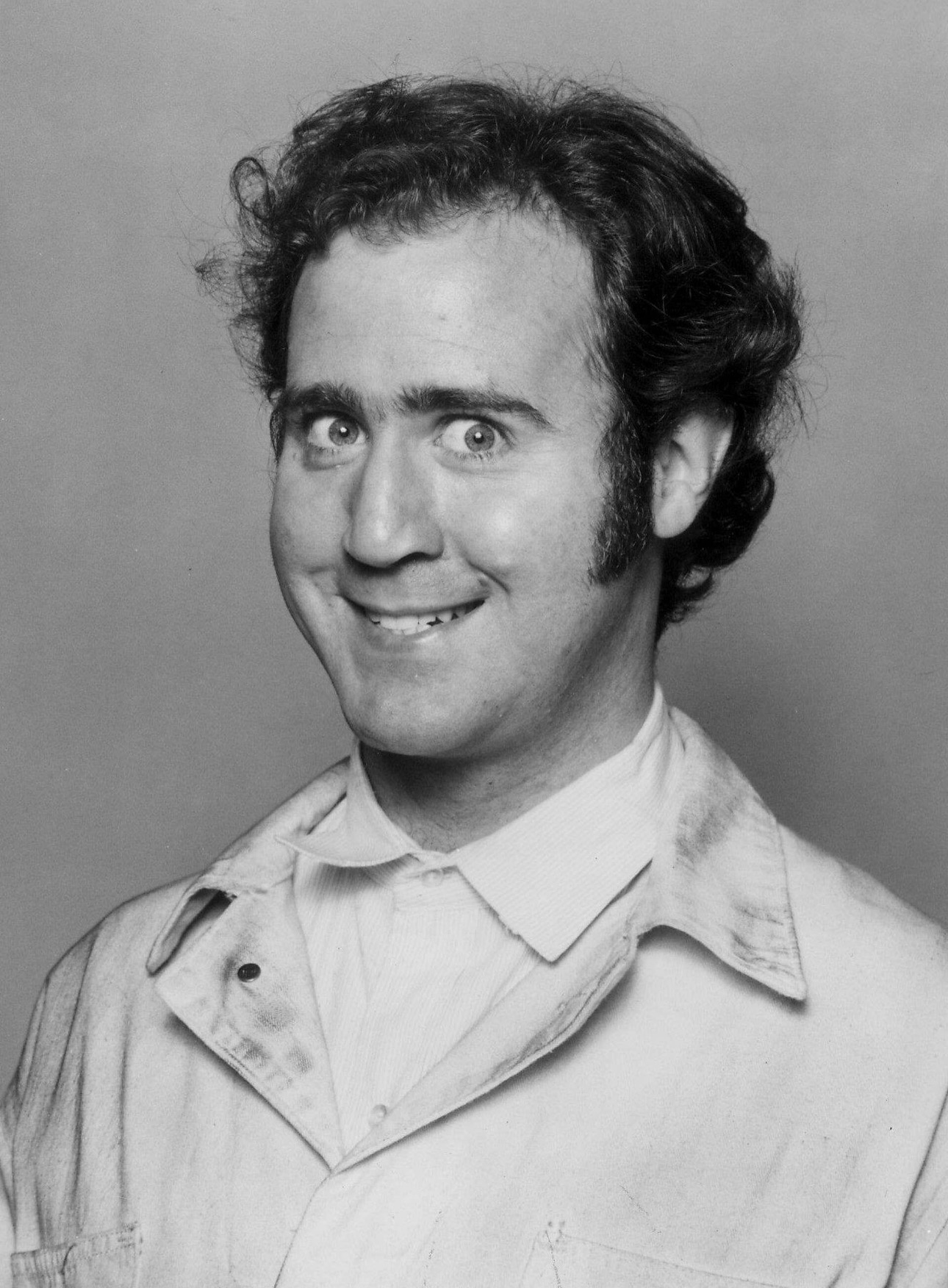
Was He Serious… or Was He Kidding?
Have you ever watched someone do something so unusual that you couldn’t decide whether to laugh, get angry, or simply scratch your head?
That’s the feeling I get when I think about Andy Kaufman.
Growing up, I knew Andy as Latka Gravas, the lovable, eccentric mechanic on the television show Taxi. He was funny, awkward, and completely unlike anyone else on television.
To me, he was simply a character on a sitcom.
It wasn’t until years later, when I watched the movie Man on the Moon, starring Jim Carrey, that I began discovering just how unusual the real Andy Kaufman was.
And what a discovery that turned out to be!
The more I learned, the more fascinated I became. Here was a performer who didn’t always seem interested in making people laugh. Sometimes he deliberately confused them. Sometimes he made them uncomfortable. Sometimes he pushed an audience so far that people genuinely didn’t know what to believe.
I kept wondering…
What kind of person thinks like this? And what was he trying to discover?
A Boy with an Imaginary Audience
Andy Kaufman was born in New York in 1949 and grew up on Long Island.
From an early age, he had an extraordinary imagination.
While other children were playing outside, young Andy sometimes entertained imaginary television audiences from his bedroom. He invented programs, characters, and entire performances, despite having no real audience watching.
There’s something wonderful about that image.
A young boy creating his own television world simply because he loved the experience of entertaining.
But there’s an interesting contrast here.
Although Kaufman enjoyed performing, he also struggled with shyness.
Years later, he credited his study of meditation with helping him develop the confidence to appear before large audiences.
It’s fascinating to think that someone who would eventually become famous for some of the boldest and strangest performances in entertainment once found it difficult to stand in front of people.
When Comedy Stops Being Comedy
Most comedians want to make their audiences laugh.
Andy Kaufman seemed interested in something more complicated.
He wanted to challenge what an audience expected from a performance.
One of his earliest characters was Foreign Man, an awkward entertainer who spoke with an unusual accent, told terrible jokes, and seemed completely unaware of how badly his act was going.
Just when the audience thought they understood him, he could suddenly deliver an astonishingly convincing Elvis Presley impersonation.
The transformation was incredible!
And that was only the beginning.
At other performances, Kaufman read passages from The Great Gatsby instead of telling jokes. He challenged women to wrestling matches. He staged elaborate situations that left audiences wondering whether they were watching entertainment or witnessing something genuinely happening.
Imagine buying a ticket to see a comedian and discovering that he intends to spend the evening reading a novel!
Would you laugh? Get frustrated? Walk out?
Maybe that was part of what interested him.
He wasn’t simply delivering entertainment.
He was experimenting with the audience’s expectations.
The Mystery of Tony Clifton
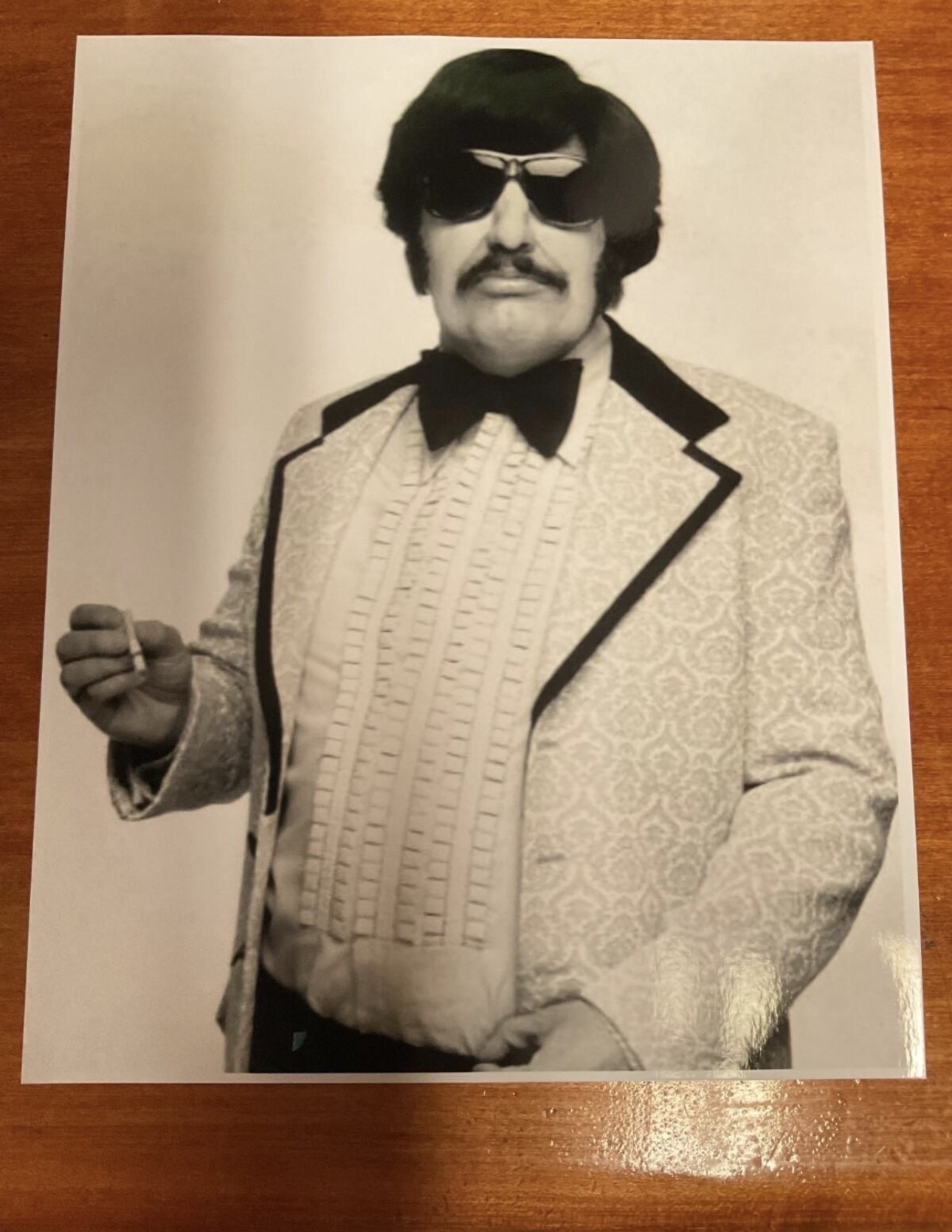
Of all Kaufman’s creations, Tony Clifton might be my favorite example of how far he was willing to take an idea.
Clifton was an obnoxious, egotistical lounge singer with an enormous personality and very little concern for whether anyone liked him.
He was almost the complete opposite of the sweet, innocent Latka Gravas.
And Andy insisted that Tony Clifton was a separate person!
What makes this even more fascinating is that Kaufman’s friend and collaborator Bob Zmuda sometimes portrayed Clifton himself.
That meant Tony Clifton could appear in circumstances that made it seem impossible for Andy Kaufman to be the man behind the character.
Now that’s dedication to an illusion!
But it also raises an intriguing question.
When someone creates a character and refuses to break the illusion, even when others become angry or confused, where does the performance end?
And where does the real person begin?
I don’t know the answer.
That’s part of what makes Kaufman’s story so interesting to me.
An Unexpected Journey into Meditation
While researching Kaufman’s life, I discovered something I hadn’t expected.
Behind his outrageous performances was a man deeply interested in meditation and the nature of consciousness.
In 1968, Kaufman began practicing Transcendental Meditation, often called TM.
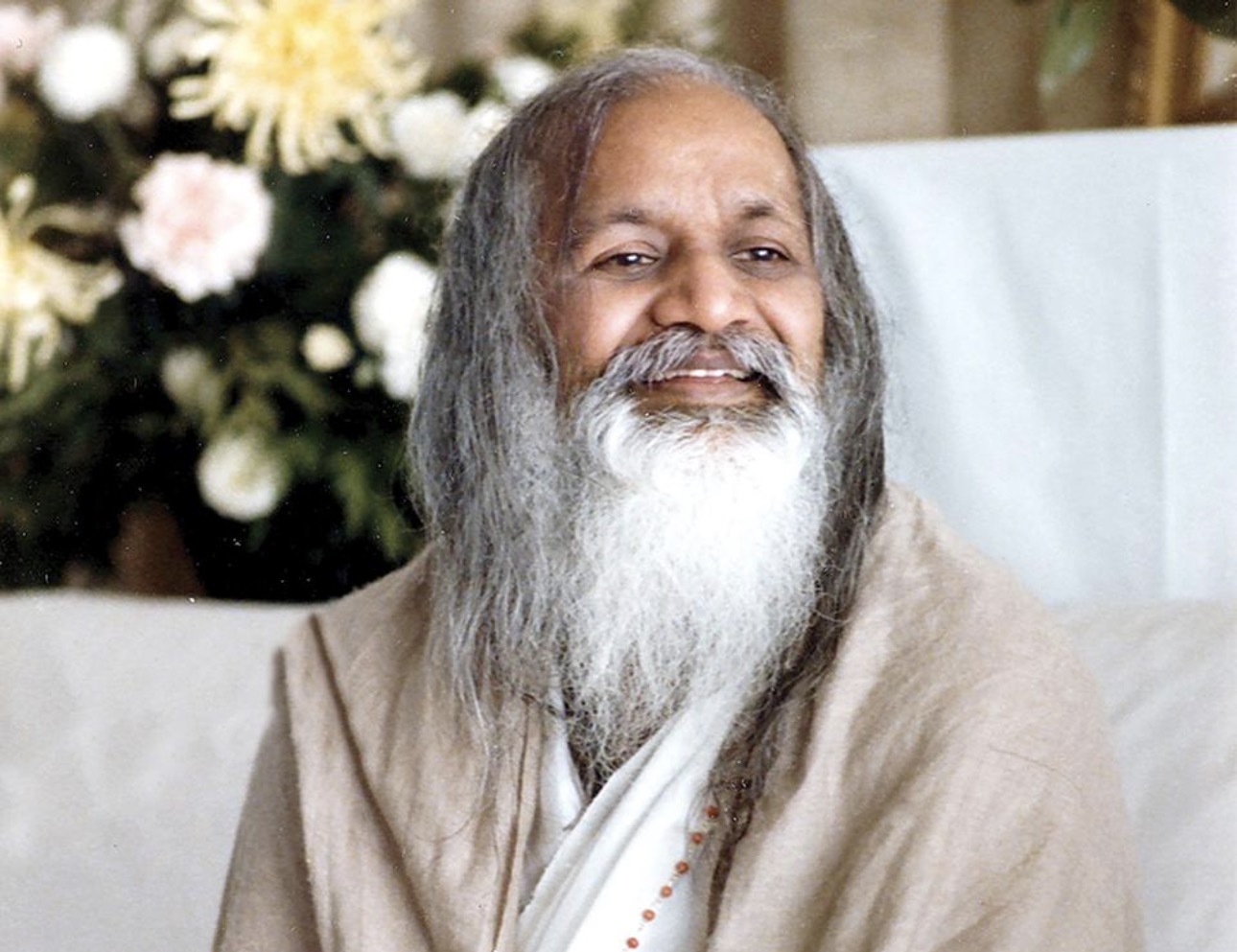
This technique was widely taught by Maharishi Mahesh Yogi (mah-hah-REE-shee mah-HESH YOH-gee), an Indian spiritual teacher who introduced Transcendental Meditation to audiences around the world.
The practice involves silently using a mantra—a word or sound—to help the mind settle into quieter levels of awareness.
Kaufman took the practice seriously. He studied with Maharishi and even trained to teach meditation himself.
But perhaps the most fascinating discovery came when I learned about an actual conversation between Kaufman and Maharishi.
During a teacher-training course, Kaufman asked Maharishi about the nature of comedy and unusual behavior.
Maharishi’s response explored the relationship between oddness, contrast, and the experience of deeper silence.
Contrast.
That word caught my attention.
Think about it.
We recognize quiet more intensely after experiencing something loud.
We sometimes appreciate kindness more deeply after encountering cruelty.
And something completely ordinary can suddenly become extraordinary when we see it from an unfamiliar perspective.
Maharishi was speaking from a spiritual understanding of awareness, but I couldn’t help wondering whether Kaufman was exploring a similar principle through his performances.
By creating situations that contrasted sharply with an audience’s expectations, could he make people more conscious of their own reactions?
It’s an intriguing possibility.
We can’t know exactly how Kaufman applied Maharishi’s teachings to every performance. But the recorded conversation tells us that he was seriously exploring questions about comedy, awareness, and the unusual experiences he created.
That discovery gave me an entirely different way of looking at him.
What Was Real?
Kaufman’s fascination with blurring reality and performance extended beyond his characters.
His involvement in professional wrestling created one of the most controversial chapters of his career.
He developed a rivalry with wrestler Jerry Lawler, and their confrontations eventually reached national television.
To viewers, their anger appeared genuine.
Much of the conflict, however, was part of an elaborate performance.
The audience wasn’t always told where the fiction ended.
And that was what made the experience so convincing.
Even Kaufman’s death in 1984, at just 35 years old, became surrounded by speculation.
Because he had spent years fooling audiences, some people wondered whether he had staged his own death as one final elaborate trick.
He hadn’t. Kaufman died of lung cancer.
But the persistence of those rumors says something remarkable about the world he created.
He had challenged people’s sense of reality so effectively that some found it difficult to accept the truth even after he was gone.
The Man Behind the Mystery
The more I discover about Andy Kaufman, the less I feel I can place him into a simple category.
Was he a comedian?
An actor?
A performance artist?
A prankster?
Perhaps he was a little of all of those things.
But I also see a curious individual who spent his life experimenting with experiences, characters, and people’s perceptions.
What fascinates me most is his willingness to explore ideas that others might have abandoned simply because people didn’t understand them.
I don’t necessarily admire every performance or every reaction he created.
Some of his work was deliberately uncomfortable, and not everyone enjoyed being part of the experience.
But I do admire the extraordinary commitment he brought to his imagination.
His journey reminds me that discovery isn’t always comfortable, predictable, or even immediately understandable.
Sometimes curiosity takes us somewhere strange.
Sometimes it challenges what we believe.
And sometimes the most interesting question isn’t whether we liked an experience.
It’s what that experience revealed.
Join the Discovery
Here’s a little challenge.
Find a recording of Andy Kaufman performing his Foreign Man character, his Elvis Presley impersonation, or one of his more unusual television appearances.
Watch closely.
But instead of concentrating only on what Kaufman is doing, pay attention to what happens inside your own mind.
Are you amused?
Confused?
Uncomfortable?
Surprised?
Do your feelings change as the performance unfolds?
Then ask yourself something:
Did Andy Kaufman change the performance, or did he change the way you were experiencing it?
There may not be one correct answer.
And perhaps that’s what makes the experience worth exploring.
Share your discovery →Behind the Discovery
My curiosity about Andy Kaufman began long ago with his portrayal of Latka on Taxi. At the time, I had no idea how unusual his creative journey really was.
Years later, watching Man on the Moon opened the door to an entirely different side of him. I became fascinated by his psychology, his elaborate characters, and his ability to make people question what they were seeing.
More recently, watching the documentary Thank You Very Much introduced me to his studies with Maharishi Mahesh Yogi and their conversation about contrast and awareness.
What began as an interest in an unusual entertainer became a discovery about imagination, perception, and the different ways people explore the world.
And I still find myself wondering what Andy Kaufman might have discovered about himself along the way.
What did you discover today?
Discover the Journey.
DIY