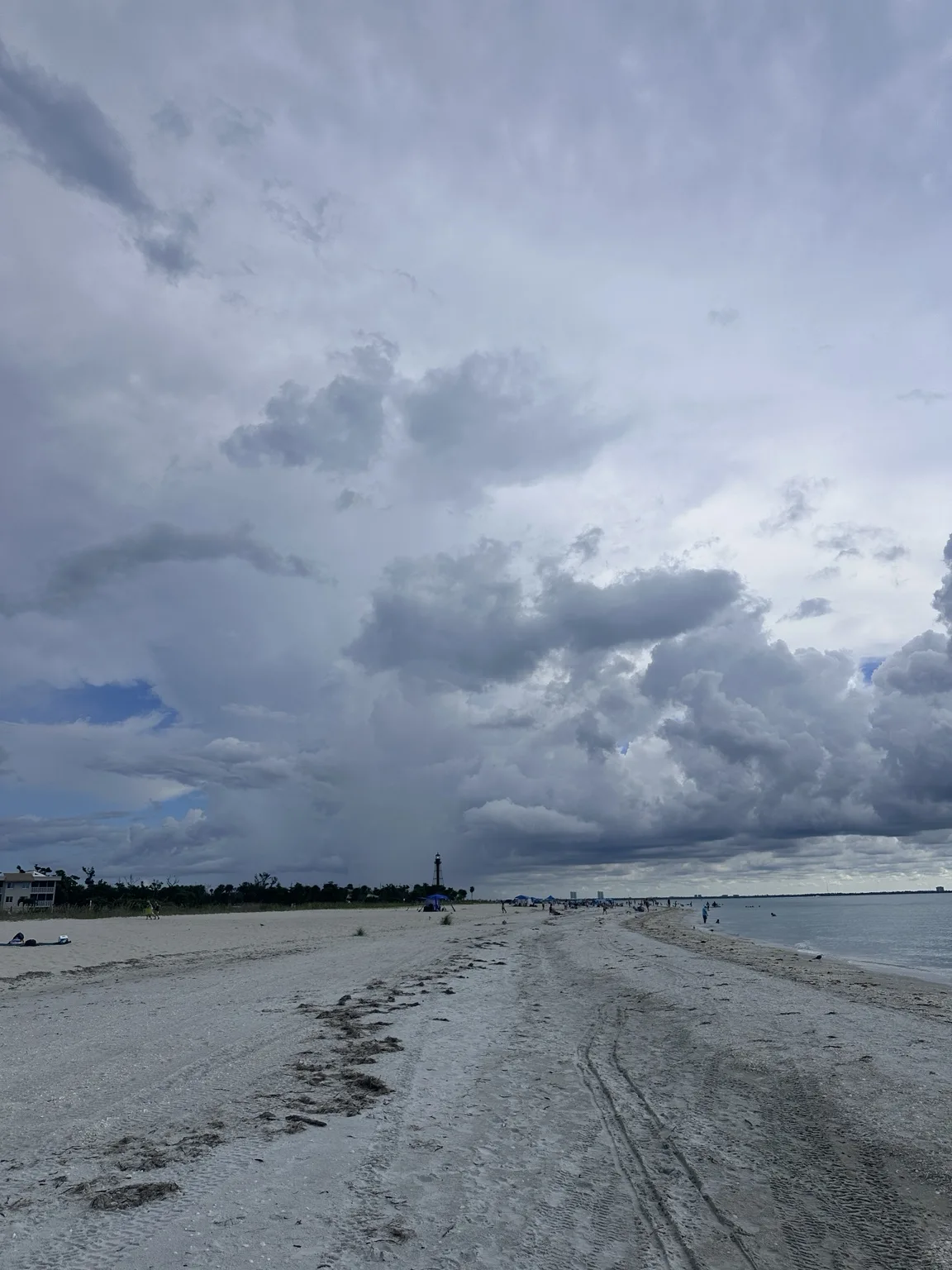
We went looking for an island. We discovered a community.
Our first trip to Sanibel Island began as a birthday gift from my wife, Lisa.
Neither of us had been there before.
We knew Sanibel had been devastated by Hurricane Ian in 2022, and we'd seen photographs of the aftermath. Years later, recovery was still underway.
That became part of the reason we chose to go.
If we were going to spend money on a vacation, we liked the idea that some of it might support local businesses and a community that had spent years rebuilding.
Beyond that, we really didn't know what to expect.
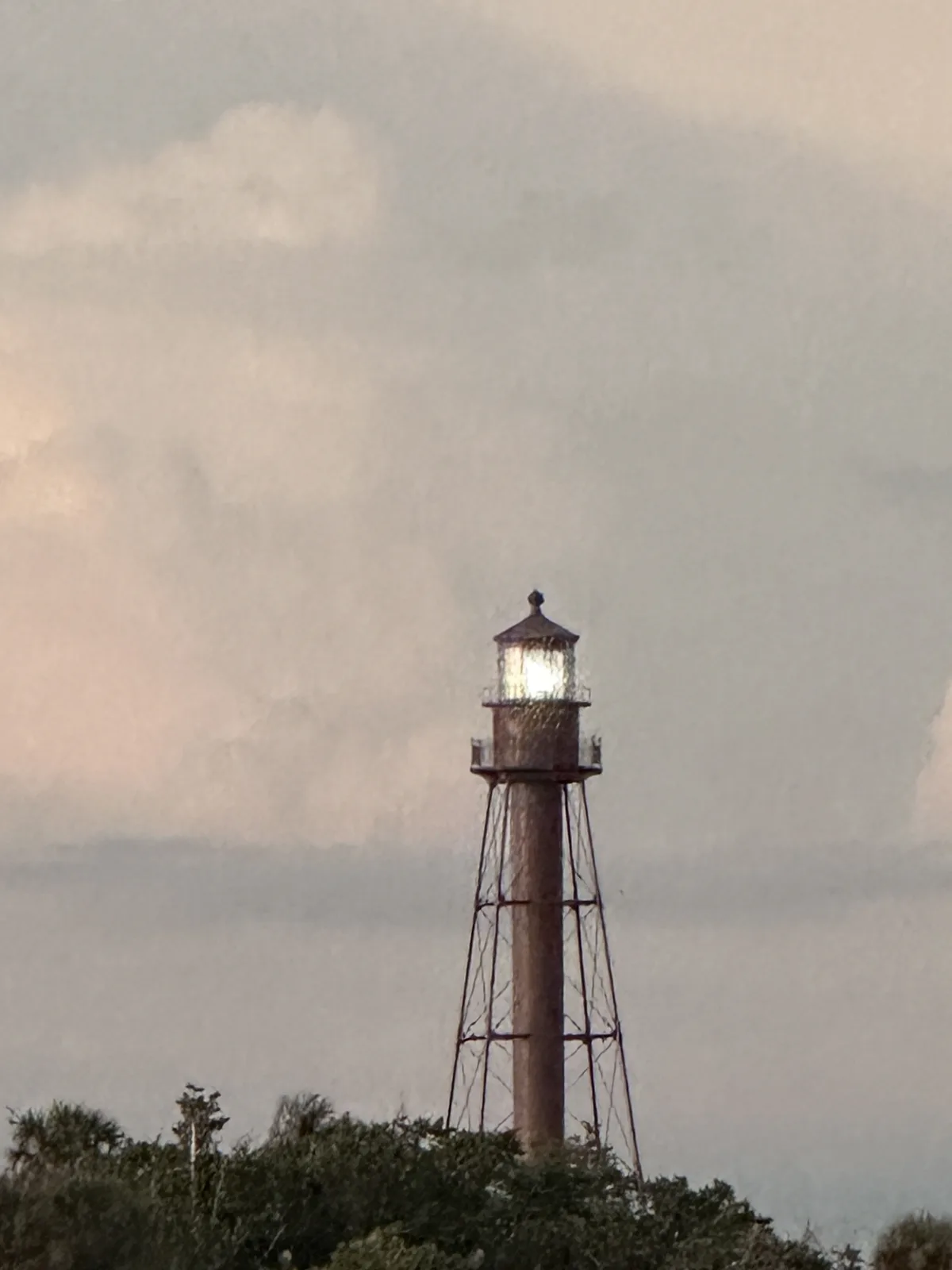
We knew about the lighthouse. We'd heard that the shelling was incredible. We were looking forward to exploring the local shops, finding places to eat and spending some time on the beach.
What we didn't realize was just how much there would be to discover.
Looking Beyond the Beach
It doesn't take long to realize that nature isn't something Sanibel keeps tucked away in a park.
It's everywhere.
We rented e-bikes and started exploring.
Sanibel has more than 26 miles of shared-use paths connecting beaches, neighborhoods, businesses and natural areas. Riding them gave us a completely different way to experience the island.
Instead of simply driving from one attraction to another, we could slow down.
And once we did, we started noticing things.
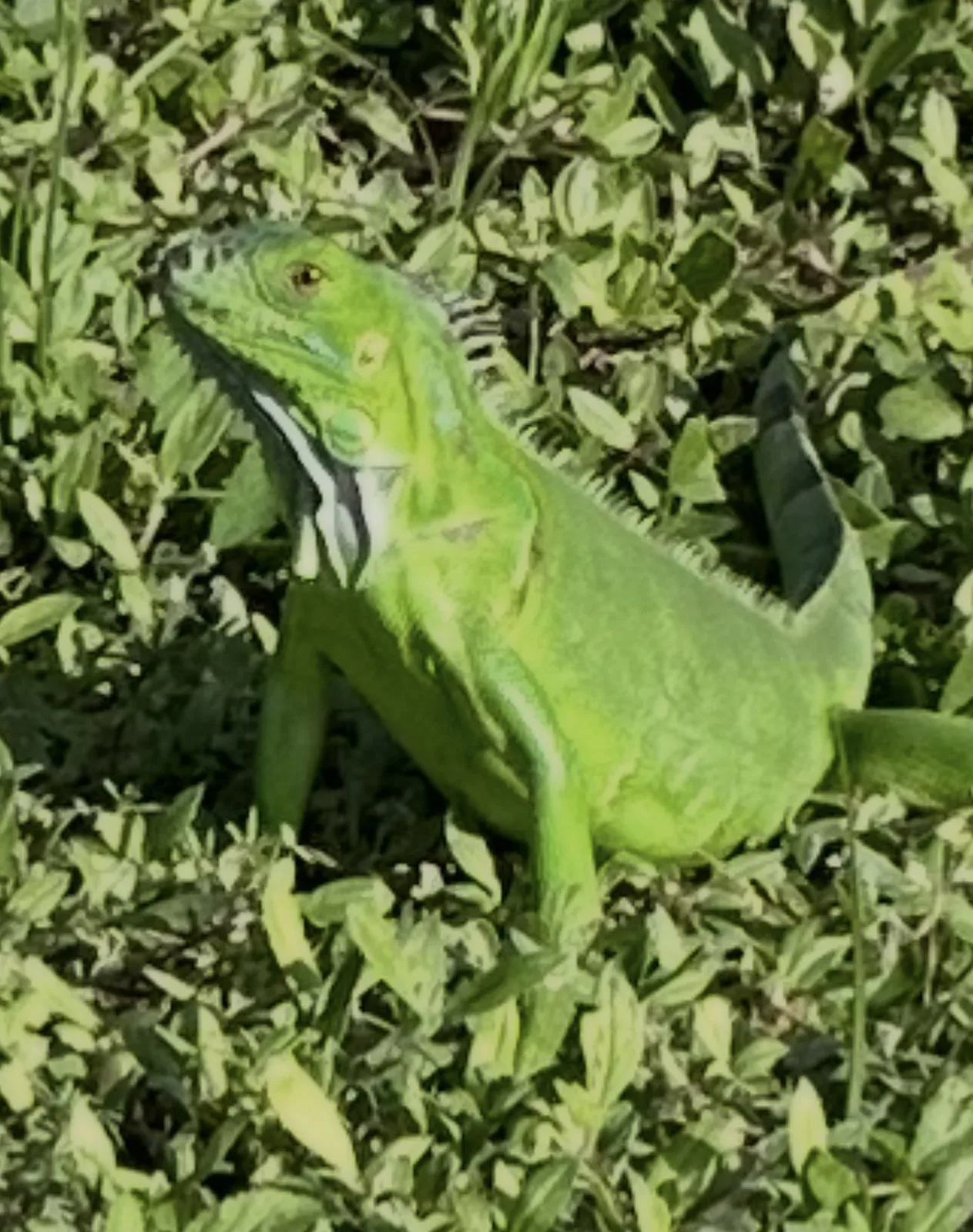
There were iguanas.
Birds everywhere.
Turtle nests.
Flowers and unfamiliar plants.
Mangroves, water, trees and strange root systems that made us stop and look closer.
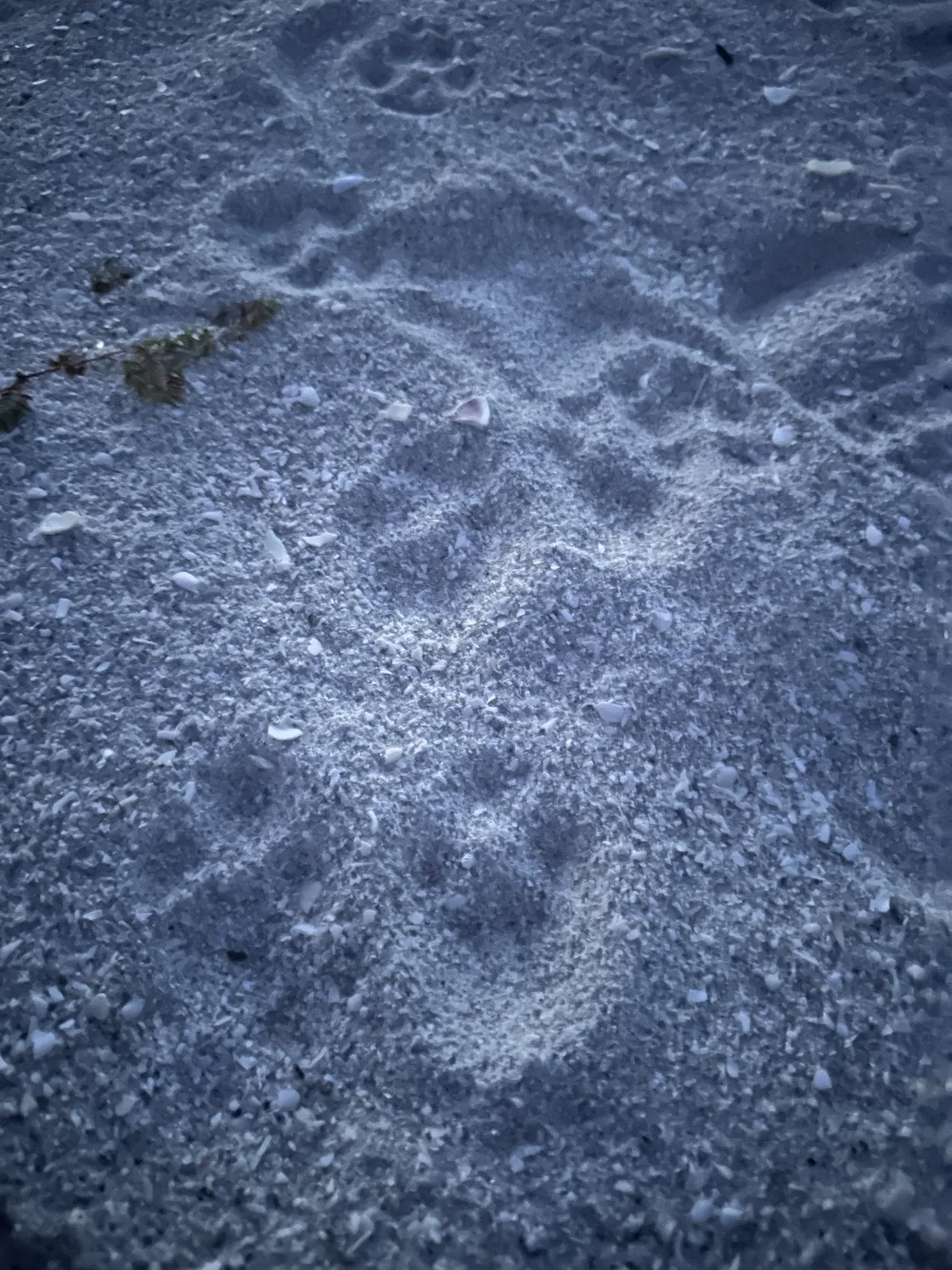
On the beach we found tracks in the sand that looked like they might have belonged to a bobcat. We didn't know for certain—and somehow that made them even more interesting.
What made them?
Where did it go?
What else had walked across this beach while we weren't looking?
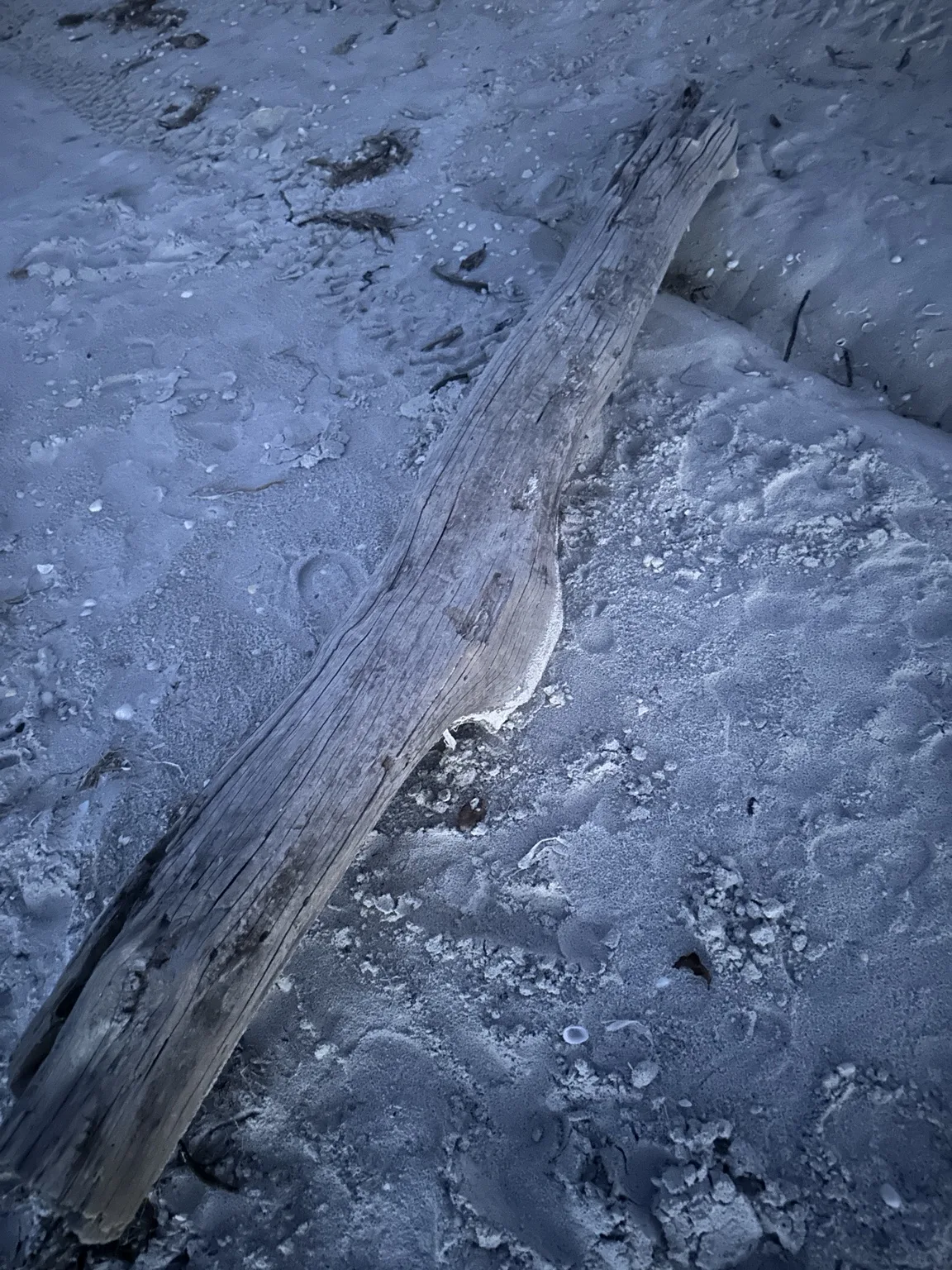
There was driftwood shaped by the Gulf, shells scattered beneath our feet and sunrises and sunsets that could stop whatever conversation we were having.
Sanibel is also home to the J.N. “Ding” Darling National Wildlife Refuge, part of the largest undeveloped mangrove ecosystem in the United States and habitat for more than 245 species of birds.
But some of our favorite encounters weren't planned.
They happened simply because we were paying attention.
Someone Who Knew Where to Look
During the trip, we met Bridget, a Sanibel local.
That changed the experience.
There's a difference between visiting somewhere and seeing it through the eyes of someone who actually knows it.
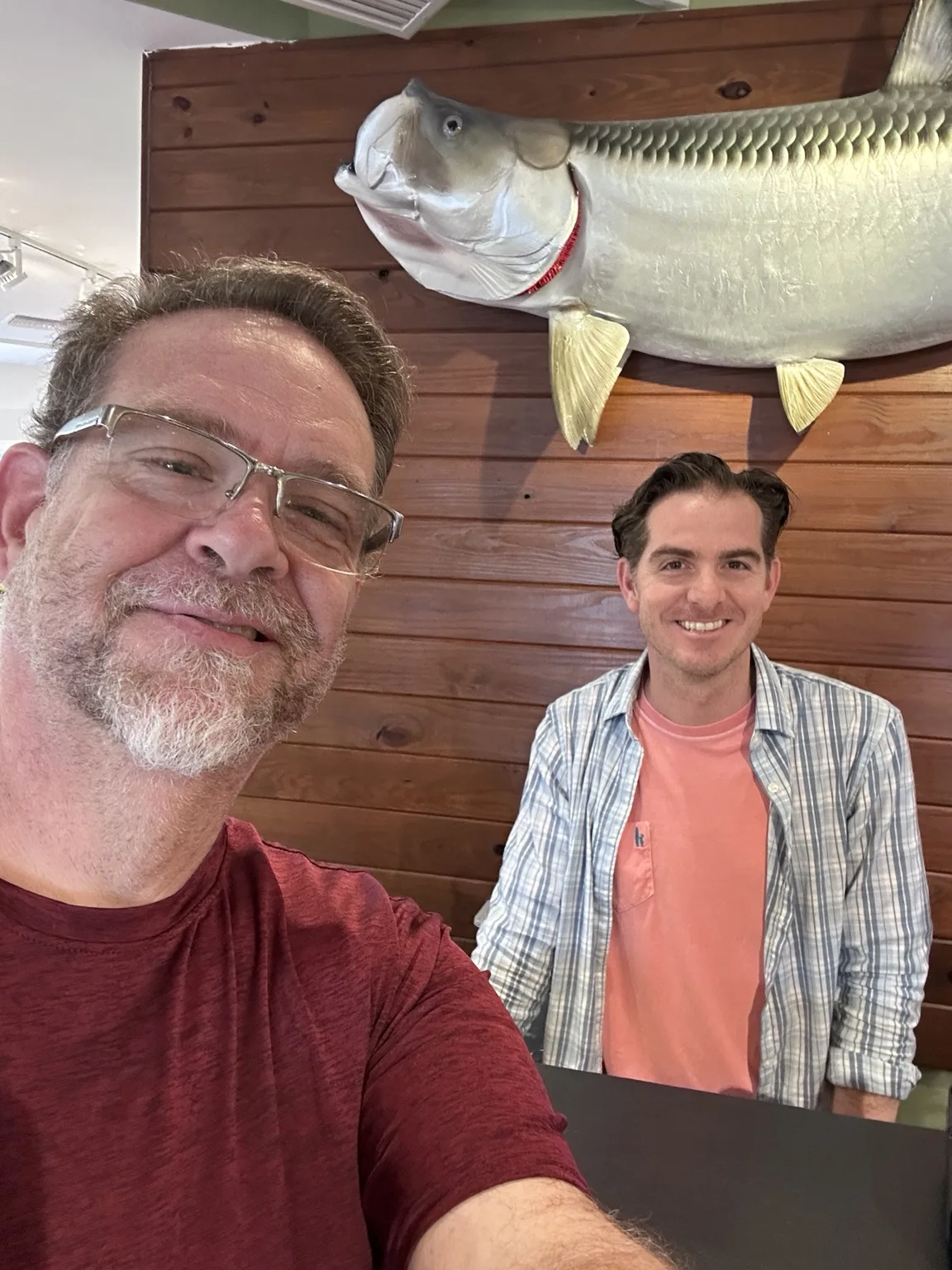
She showed us places we probably wouldn't have discovered on our own and shared some of the little things that come from actually living there.
One of those stops led us to Pond Apple Park.
That's where we encountered two bald eagles beside their nest—an experience that became its own discovery.
But the more time we spent exploring—and the more people we talked with—the more we began noticing something else about Sanibel.
It wasn't just the wildlife that people cared about protecting.
It was the island itself.
Something Felt Different
At first it was difficult to put our finger on it.
Sanibel didn't feel like many other Florida vacation destinations we'd visited.
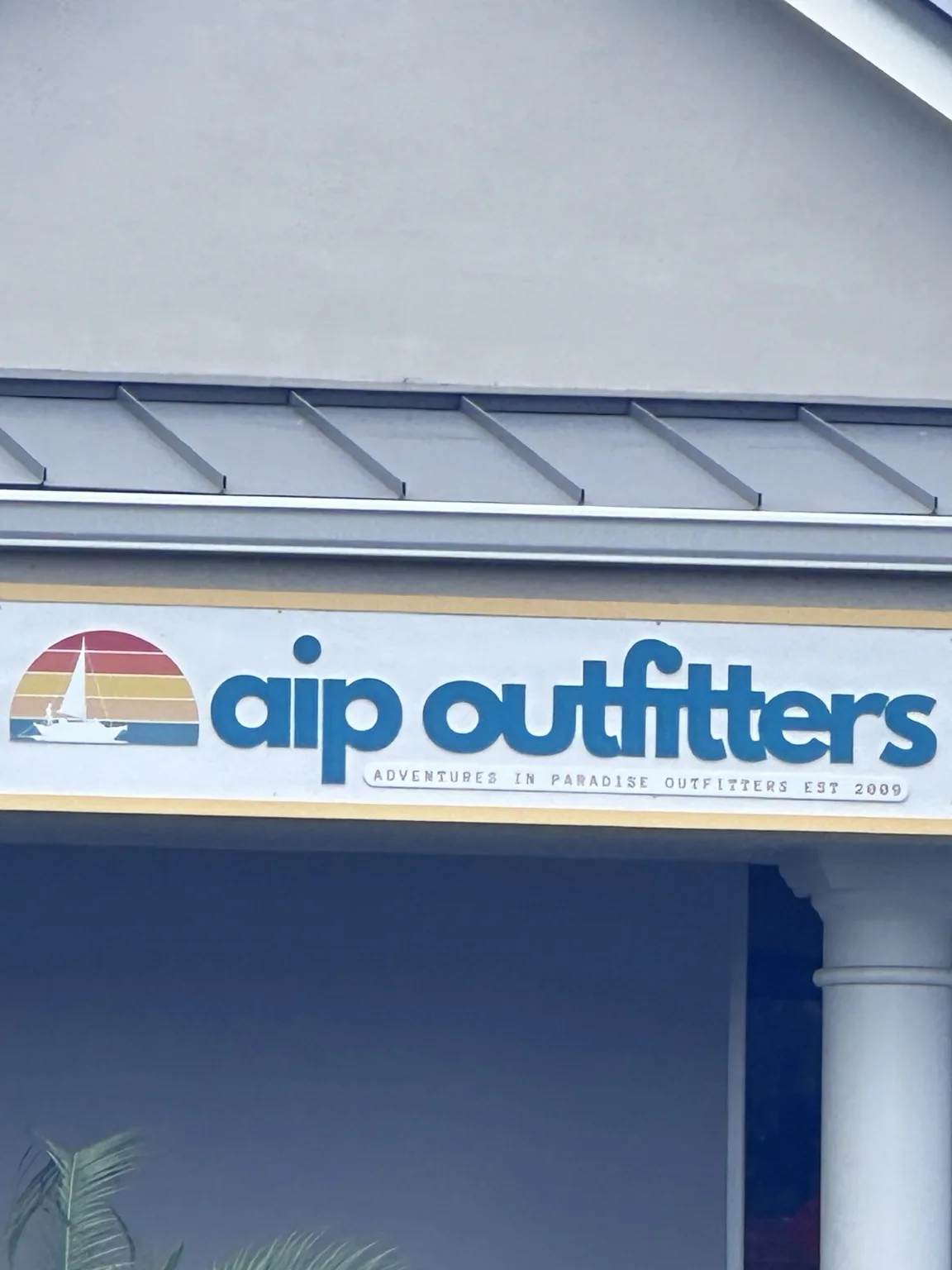
There wasn't the familiar landscape of big stores, fast-food signs and commercial development everywhere we looked. Instead, we kept encountering local shops, restaurants and people who seemed deeply connected to the place where they lived and worked.
And then we started talking to them.
We met someone starting a new business on the island. We talked with a business owner who had grown up there. We met people who knew Sanibel not as a vacation destination, but as home.
Those conversations gave us a glimpse into something a visitor probably wouldn't understand from a map or travel guide.
Sanibel's own vision describes the community as a “barrier island sanctuary,” emphasizing the relationship between people, wildlife and the preservation of the island's natural character.
We started seeing little examples of that philosophy everywhere.
Even the e-bikes we'd rented came with rules that were different from what we'd experienced elsewhere. On Sanibel's shared-use paths, Class 1 pedal-assist e-bikes are permitted, while throttle-powered operation is not.
It was a small detail.
But after spending time there, it felt connected to something much bigger.
How do you allow a place to change without losing what made it special in the first place?
Still Rebuilding
The effects of Hurricane Ian hadn't disappeared simply because several years had passed.
The storm damaged every Sanibel beach park, damaged one leg of the historic lighthouse and destroyed both lighthouse keeper dwellings. The lighthouse itself remained standing, and its damaged leg was eventually replaced.
Recovery continued around us.
And that made seeing the island alive again—people riding bicycles, businesses welcoming customers, visitors walking the beaches and wildlife carrying on around all of it—mean something different.
We originally came partly because we wanted to support that recovery.
But somewhere during the trip, that idea became more personal.
These weren't simply businesses recovering.
They were people's businesses.
This wasn't simply habitat being preserved.
It was part of somebody's home.
And the lighthouse wasn't simply another attraction to photograph.
It was part of the story of a place that had taken an extraordinary hit and was still standing.
The Discovery
When we first crossed the causeway onto Sanibel, “island life” was mostly an expression to me.
By the time we crossed back over it, I understood it differently.
It wasn't simply living near the beach.
It was the way people knew one another. The way they supported local businesses. The pride they had in their wildlife, environment, history and traditions.
And perhaps most noticeably, how protective they could be of the things that made their island different.
There were customs, beliefs, rules and ways of doing things that we didn't completely understand because we hadn't grown up there.
And that became part of the discovery.
We didn't have to understand all of it.
Realizing how much we didn't know made the island even more interesting.
There were probably hundreds of little pieces of island life happening around us that, as visitors, we were only beginning to see.
We arrived knowing what we'd read about Sanibel.
We left beginning to understand something that couldn't really be learned from a travel guide.
We went there for a birthday.
We went to see the lighthouse, collect some shells, explore, eat, shop and spend a few days by the water.
Instead, one small island gave us stories about bald eagles, wildlife, hurricane recovery, local businesses, conservation, new friendships and an entirely different understanding of two words we'd heard countless times before:
Island life.
Sometimes discovering a place isn't about seeing everything it has to offer.
It's beginning to understand why the people who call it home care so deeply about keeping it special.
Join the Discovery
Here’s your next discovery challenge: look beyond the attraction that first draws you to a place.
Visit a local business, notice something about the environment, or ask a willing resident what they love about their community. What might you learn that a map could never tell you?
Have you visited Sanibel, or found an unexpected connection in another community? Share a discovery, a photograph, or a conversation that helped you see a place differently.
Share your discovery →Behind the Discovery
Lisa and I visited Sanibel Island in September 2026 for a birthday trip. We wanted to explore and support local businesses as the island continued recovering from Hurricane Ian.
E-bike rides, beach discoveries, conversations, and meeting Bridget gave us far more to remember than the places we originally planned to visit.
This article brings together those personal experiences with further reading about the island’s wildlife, community, and recovery.
What did you discover today?
Discover the Journey.