Have you ever done something kind for someone and walked away feeling as though you were the one who received the gift?
I’ve experienced that feeling many times.
Throughout my career as a paramedic and a nurse, I’ve had the opportunity to help people during some of the most difficult moments of their lives.
And along the way, I discovered something fascinating.
Sometimes we can’t change what’s happening to someone. But we might be able to change how they experience a little piece of it.
Even if it’s only for a moment.
Learning to Care in the Most Difficult Moments
Before becoming a nurse, I worked as a paramedic.
And let me tell you, that could be an extreme experience!
As a paramedic, you’re sometimes called into situations that represent the worst moments of another person’s life.
Think about that.
For you, it’s an emergency you’ve trained to handle. You understand the procedures and know what needs to be done.
But for the person experiencing it, this might be the most terrifying moment of their life.
That realization stayed with me.
Providing safe, effective medical care was always the priority. But I began appreciating how much our interactions could influence a person’s experience.
The way we speak. The reassurance we offer. Our willingness to listen.
Over the years, I’ve developed a greater understanding of those interactions. Some of it came naturally, but much of it came through experience, observation, and mistakes.
And I certainly don’t always get it right!
But sometimes, when you recognize what someone needs beyond their immediate medical care, something wonderful happens.
An Anniversary Nobody Expected
Years ago, while working in an emergency room, I met a couple vacationing in Florida for their wedding anniversary.
Unfortunately, the husband had injured his leg in a water-skiing accident.
Instead of enjoying their celebration, they found themselves in a hospital, away from home, surrounded by unfamiliar people and medical equipment.
Not exactly the anniversary they had planned!
As I learned about their situation, I began wondering whether we could do something to make their day a little brighter.
I couldn’t undo the accident or give them their vacation back.
But maybe we could still celebrate their anniversary.
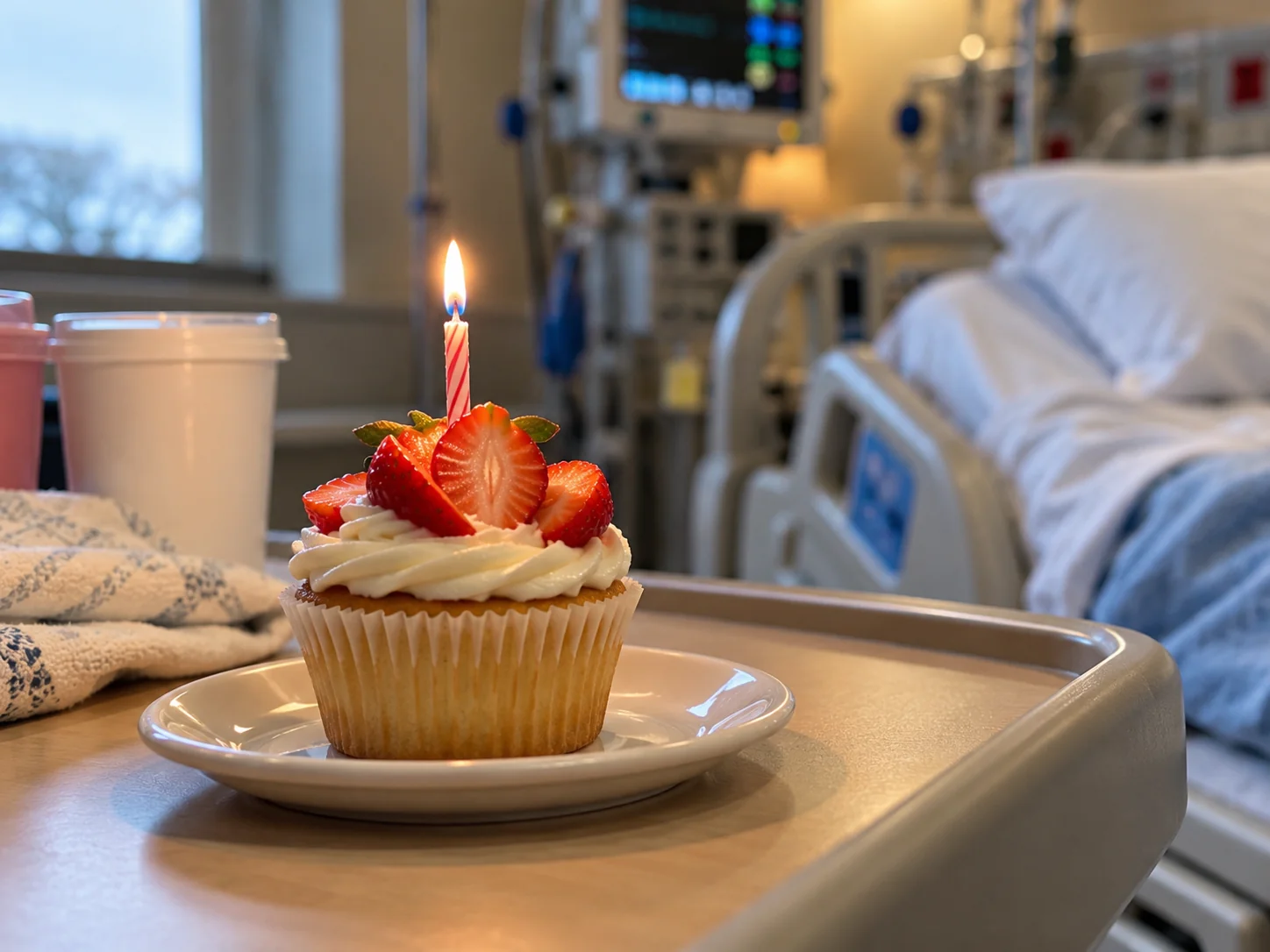
So I headed to the hospital cafeteria and found a cupcake.
Not exactly a wedding cake, but it was a start!
One of the cafeteria workers helped decorate it with sliced strawberries, and somehow, we even found a tiny candle.
I gathered a few members of our emergency room team, and together we brought our little anniversary cake into the couple’s room.
We wished them a happy anniversary.
And the wife began to cry.
They both seemed genuinely surprised and grateful.
For a brief moment, something changed.
The injury hadn’t disappeared. Their vacation was still interrupted.
But instead of focusing entirely on worry and uncertainty, they were sharing a little celebration with people they’d only just met.
And I was fortunate enough to witness it.
The Gift I Didn’t Expect
What surprised me was how much the experience affected me, too.
I felt helpful, proud, and connected.
There was something deeply satisfying about knowing we’d made a difficult situation a little brighter.
And it wasn’t just me.
The cafeteria worker helped prepare the cupcake. My colleagues joined the celebration. A group of people came together to create a special moment for two strangers.
Nobody had to organize an anniversary celebration.
We simply wanted to.
Years later, I still remember the strawberries, the tiny candle, and the surprise on their faces.
Sometimes the reward for helping someone is realizing that you made a difference.
The Art of Making Someone Feel Special
Throughout my career, I’ve become increasingly interested in helping people feel safe, comfortable, and genuinely valued.
Sometimes I deliberately look for opportunities to make a patient feel special.
But I want to explain something.
I’m not putting on an act or pretending to care.
The concern is genuine.
What I’ve learned through years of experience is how differently people respond to personal interaction.
One patient might appreciate humor. Another needs reassurance. Someone else might simply want quiet.
Part of the skill is recognizing those differences.
I’ve worked alongside professionals who seem to know exactly what to say at precisely the right moment.
Others approach people differently, and that’s perfectly understandable. We all bring different personalities, strengths, and experiences to our work.
The important thing, I’ve discovered, is being willing to observe, engage when appropriate, and adjust.
Making someone feel special isn’t about treating everyone the same way. It’s about recognizing that each person is different.
And sometimes, even with the best intentions, I get it wrong.
When Good Intentions Go Wrong

I remember introducing a patient to our surgical team.
I wanted to create a friendly, welcoming atmosphere.
But during the introduction, I accidentally used the wrong first name.
The patient immediately became nervous and asked whether we had the right patient.
I was terribly embarrassed.
More importantly, I understood the concern.
Imagine preparing for surgery and suddenly hearing someone call you by the wrong name!
I apologized immediately, and we performed a safety check to confirm the patient’s identity.
Then I stopped talking.
The other team members spent the next few minutes helping restore the patient’s confidence, and I allowed them to take the lead.
That experience taught me something.
I’d been trying to make someone comfortable, but my mistake had done the opposite.
Good intentions don’t always produce good results.
Sometimes helping means speaking up. Sometimes it means taking action.
And sometimes it means recognizing when to step back.
I’ve learned as much from those uncomfortable moments as I have from my successes.
The Magic of a Single Moment
These experiences have changed the way I look at everyday interactions.
People are often caught up in their own worlds.
Their worries. Responsibilities. Schedules. Things that happened yesterday or might happen tomorrow.
I’m certainly no exception!
But occasionally, something interrupts that pattern.
A sincere compliment.
An unexpected gesture.
A kind word at just the right moment.
For an instant, a person’s attention may shift.
Perhaps they smile or seem a little more relaxed.
Maybe they feel noticed or appreciated.
They might not even recognize why they’re feeling differently.
But sometimes I can observe that something has changed.
And I find that almost magical.
Not because I’ve accomplished something extraordinary, but because two people have connected in a moment that might otherwise have passed unnoticed.
The Other Side of the Coin
But here’s something equally important.
If a kind word can change someone’s experience for the better, imagine what an unkind word can do.
A careless remark.
An impatient response.
A joke at someone’s expense.
A few words spoken in anger.
We might say something hurtful and forget about it minutes later.
But what happens to the person who heard it?
Maybe they were already struggling with something we knew nothing about.
Sometimes hurtful words affect someone for only a few minutes.
Other times, they can stay with a person for years.
I think about that patient I accidentally called by the wrong name.
My intentions were good, yet my words created fear and uncertainty.
If an innocent mistake can have that effect, imagine the damage words spoken deliberately to hurt someone might cause.
We can’t control every emotional response someone has, but we can become more aware of our influence.
And when we recognize we’ve hurt someone, we can acknowledge it and try to make things right.
We have the opportunity to make someone’s day a little brighter. But we also have the ability to make it darker.
Sometimes the difference comes down to just a few words.
There’s Science Behind That Feeling
I’ve also been fascinated by the science behind human connection.
Our brains and bodies respond to social experiences through complicated systems involving emotion, motivation, bonding, and stress.
Dopamine is involved in reward-related learning and motivation. Oxytocin plays a role in social bonding, while serotonin contributes to mood regulation and other functions.
Positive interactions can help people feel supported, while conflict, rejection, and humiliation can contribute to emotional distress.
Of course, we can’t point to a particular smile or hurtful comment and know exactly which chemicals were released.
Human emotions are far more complicated than that.
But I find it fascinating that our interactions with one another have real biological and emotional effects.
Something as simple as a few words can influence how we feel.
Or a cupcake!
Finding Opportunities in Everyday Life
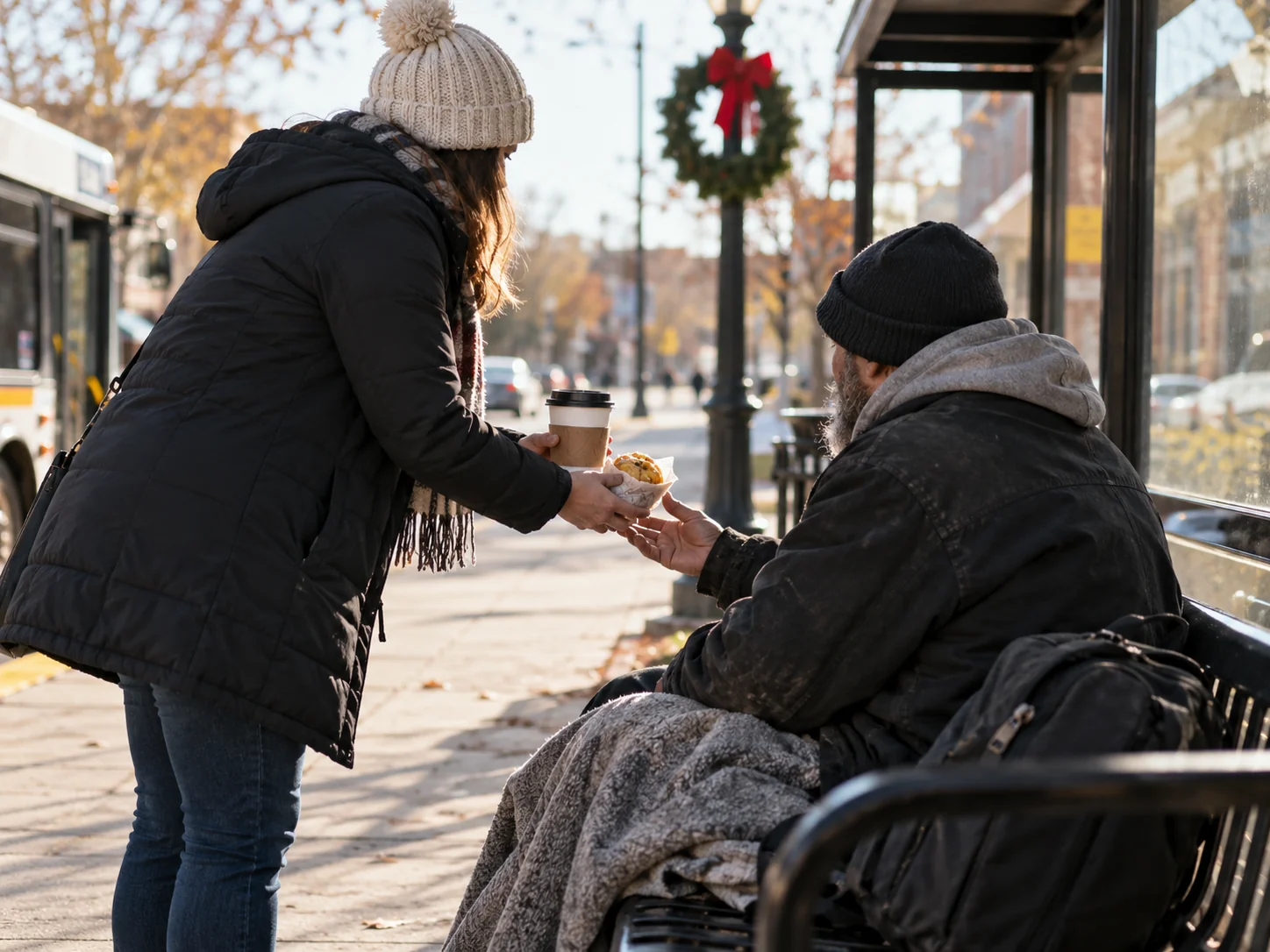
I’ve carried these discoveries beyond my professional life.
The person standing in line at the store.
Someone working behind a counter.
A stranger sitting nearby.
Everyone has a story, and we rarely know what someone else is experiencing.
Perhaps they’re having a wonderful day.
Perhaps they’re worried about something.
We simply don’t know.
And not everyone wants to engage in conversation.
But sometimes an opportunity presents itself.
A chance to offer encouragement, express genuine appreciation, or do something thoughtful.
Maybe it makes a difference.
Maybe it doesn’t.
That’s part of the uncertainty of human interaction.
But I’ve come to appreciate the importance of trying, observing, and learning.
And I’ve become more conscious of how easily an impatient response or careless remark might make someone’s day more difficult.
Every interaction gives us an opportunity to consider the effect we may have on another person.
The Reward Goes Both Ways
I still wonder whether that couple remembers the cupcake.
Maybe they do.
Maybe the whole experience has faded into the background of their lives.
I’ll probably never know.
But I remember it.
What began as an effort to make two strangers feel special became a memory I’ve carried for years.
I also remember the times when my efforts didn’t go as planned.
Both kinds of experiences have taught me something valuable.
Helping someone isn’t always a one-way exchange.
Sometimes the person receiving kindness experiences comfort or happiness.
And the person offering it experiences purpose, satisfaction, and connection.
Sometimes we can’t change someone’s circumstances. But we might be able to change a single moment within them.
And sometimes, in doing so, we change our own moment, too.
Join the Discovery
Have you ever had someone’s words or actions change your entire day?
Maybe a stranger did something unexpectedly kind.
Perhaps someone said something hurtful that stayed with you long afterward.
Or maybe you’ve experienced the unexpected satisfaction of helping another person.
What happened?
Here’s a little challenge.
Sometime today, pay attention to the people around you.
Not with the intention of fixing their problems or forcing a conversation.
Just notice.
Is there an opportunity to offer a sincere compliment, express appreciation, or make someone’s day a little brighter?
And before responding impatiently, consider that the other person might be dealing with something you know nothing about.
You may never know what difference your words make.
But you might be surprised by what you discover.
Behind the Discovery
This article grew out of my experiences as a paramedic and a nurse.
Working as a paramedic sometimes meant entering people’s lives during what could have been their worst moments. Those experiences taught me to appreciate the fear and vulnerability that can accompany an emergency.
Throughout my nursing career, I’ve continued developing my understanding of how personal interactions can influence someone’s experience.
Some of that ability comes naturally. Much of it has developed through observation, experience, and mistakes.
I still remember accidentally calling a surgical patient by the wrong name and the anxiety it caused.
But I also remember a couple celebrating their anniversary in an emergency room.
A cupcake, some strawberries, a tiny candle, and a few wonderful coworkers helped create a moment I’ve never forgotten.
Those experiences reminded me that our words and actions matter.
They can comfort and encourage someone, but they can also frighten or hurt.
We may never fully understand the influence we’ve had.
And perhaps that’s why I find these little moments so fascinating.
When I recognize an opportunity to make someone feel special, and I’m fortunate enough to witness that connection happen, it gives me a wonderful sense of satisfaction.
It reminds me that sometimes the smallest gestures can leave the biggest impressions.
What did you discover today?
Discover the Journey.
Photographs and illustrative imagery supplied or approved for this Discovery Article.